Blog
Common Turnbuckle Installation Mistakes: How to Avoid Them?
Avoid common industrial turnbuckle installation and safety mistakes. Get tips on proper selection, installation, and maintenance for safe, reliable use.

Avoid common industrial turnbuckle installation and safety mistakes. Get tips on proper selection, installation, and maintenance for safe, reliable use.
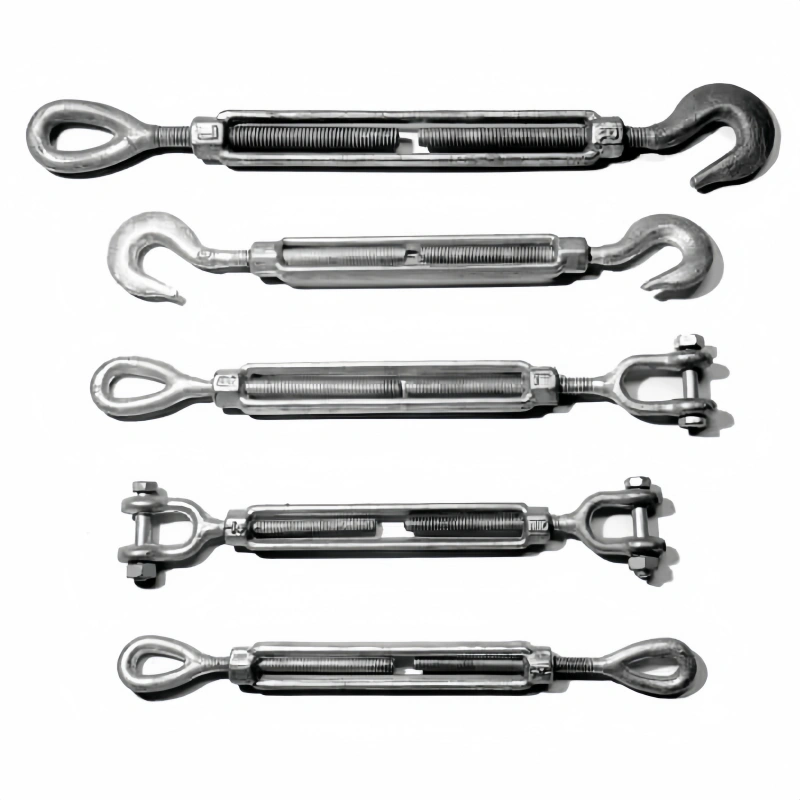
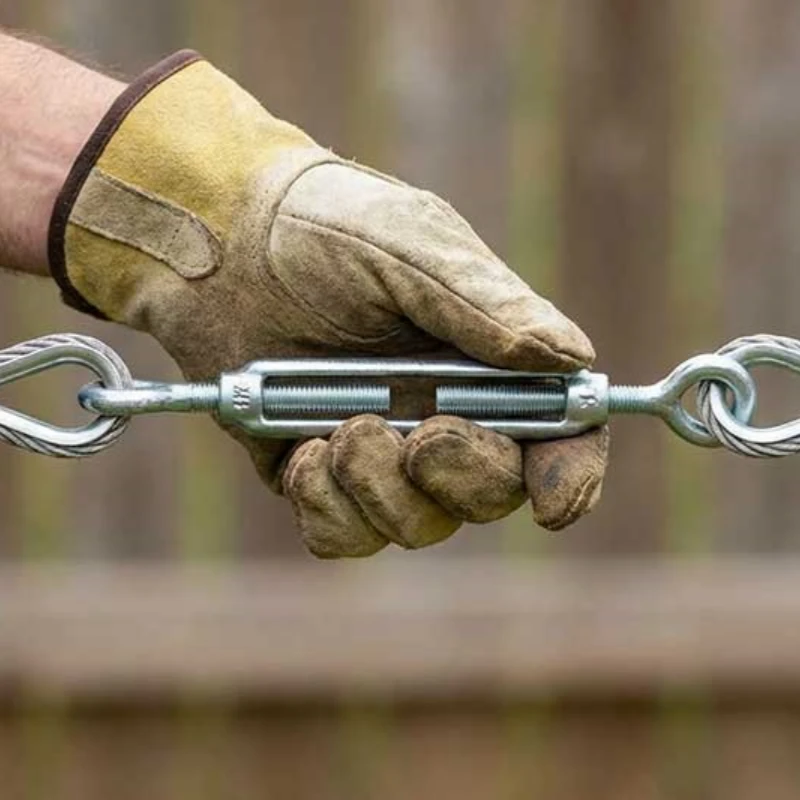
Galvanized vs stainless steel turnbuckles: Compare corrosion resistance, cost, and durability to choose the right turnbuckle for your environment and budget.

Wire Rope Cores: Compare IWRC vs fiber core for strength, flexibility, and safety. Choose the right core for your lifting and industrial applications.
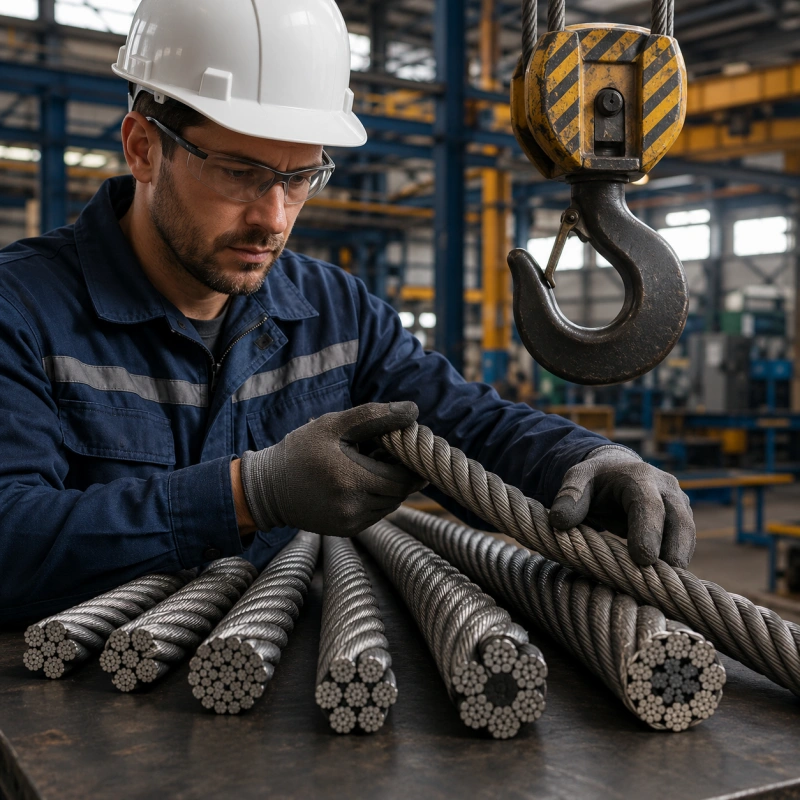
Wire rope selection for cranes: Compare load, flexibility, wear resistance, core type, and safety to choose the best wire rope for your crane operations.
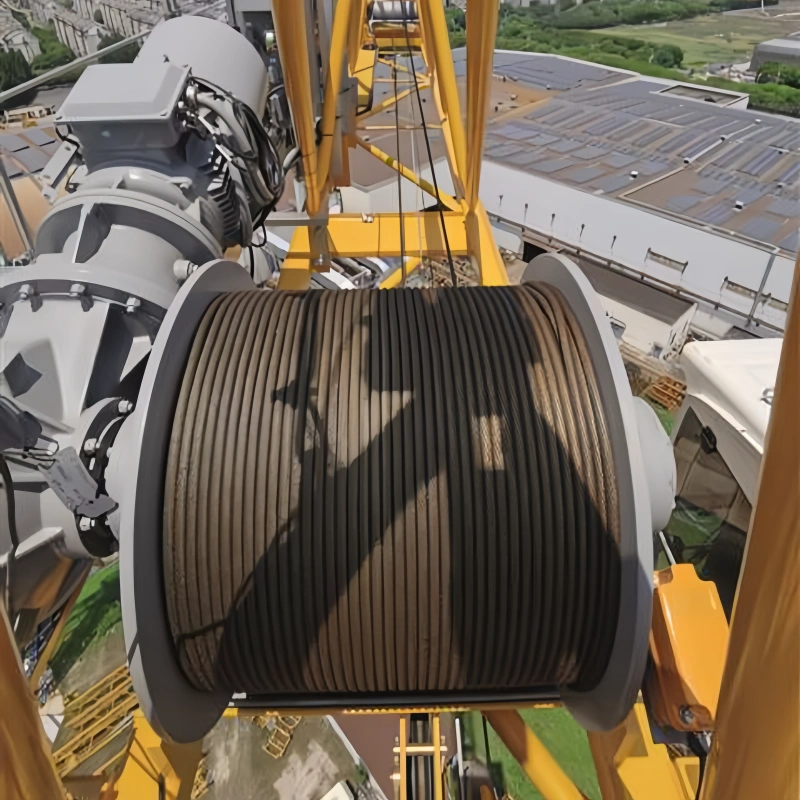
Crane wire rope market growth is driven by tech innovation, renewable energy demand, and evolving industry needs, despite material and safety challenges.
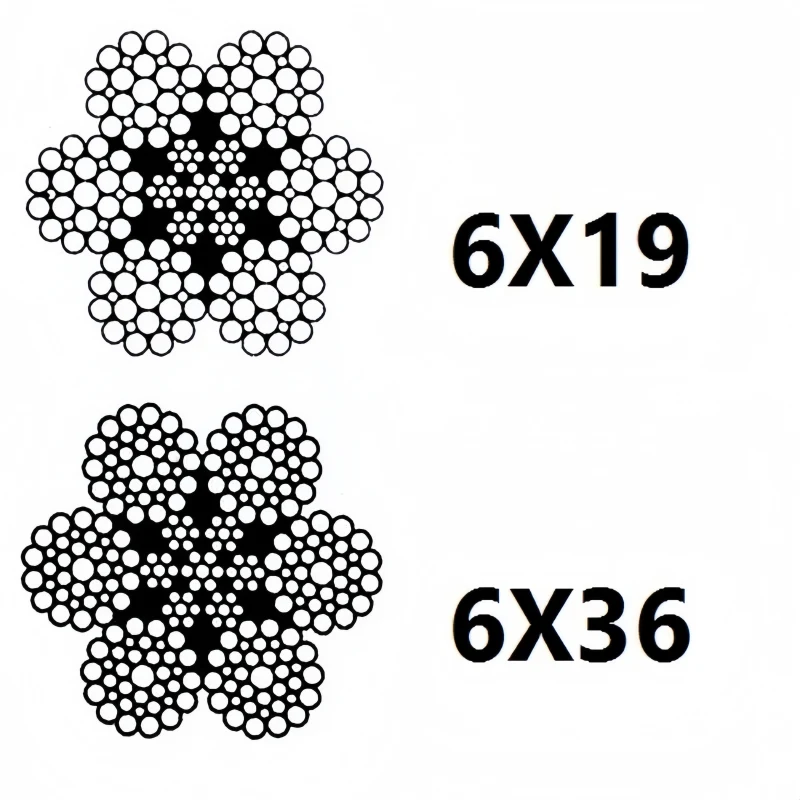
Compare 6×19 vs 6×36 wire rope to choose the right construction for your project. Find out which offers better abrasion resistance or flexibility for your needs.
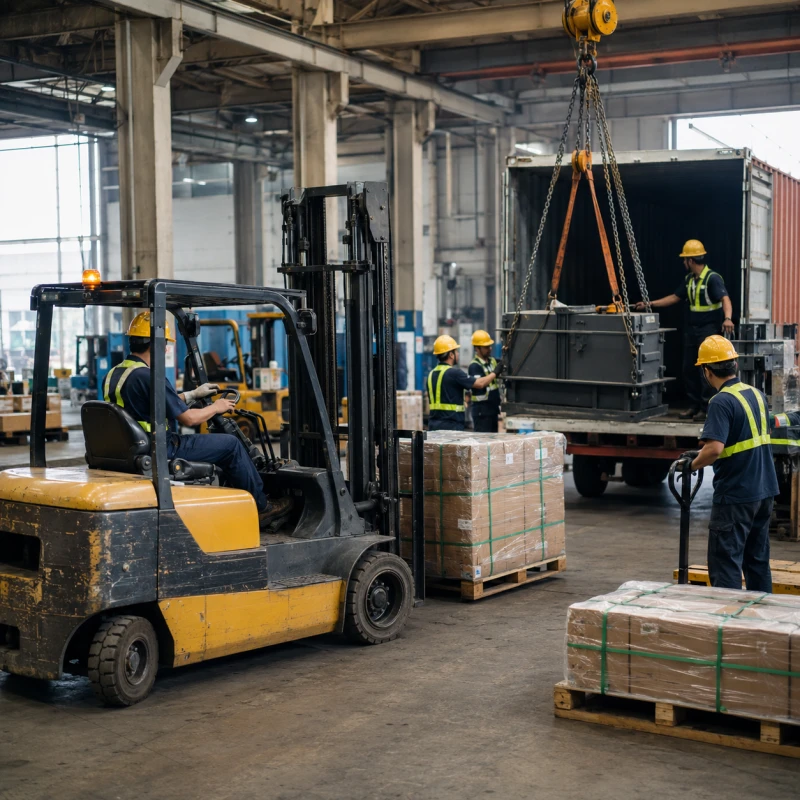
Material handling lifting equipment types, uses, and selection tips for safe, efficient operations in warehouses, manufacturing, and construction.
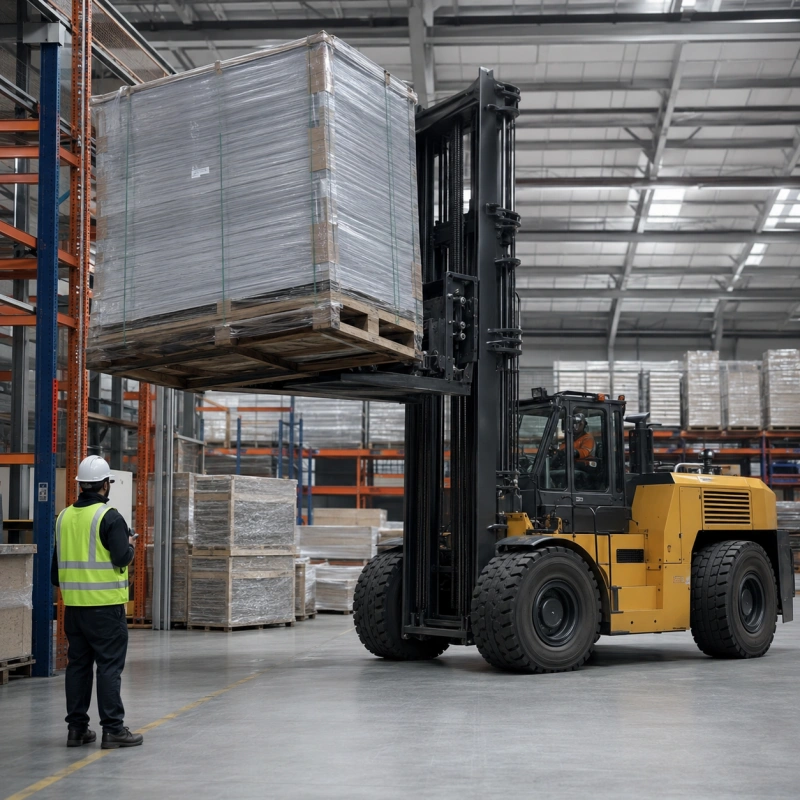
The best equipment for heavy-duty material handling in 2026 includes AGVs, electric forklifts, and cranes, offering top safety, efficiency, and reliability.
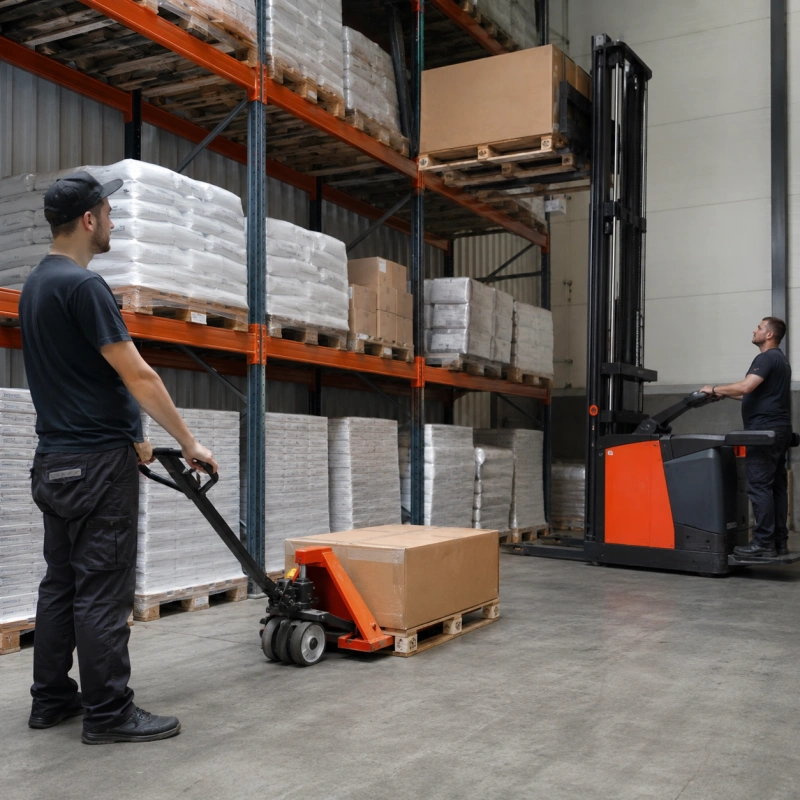
Compare pallet jack vs stacker for 2026: find the best fit for your warehouse based on lift height, efficiency, and cost to boost productivity.
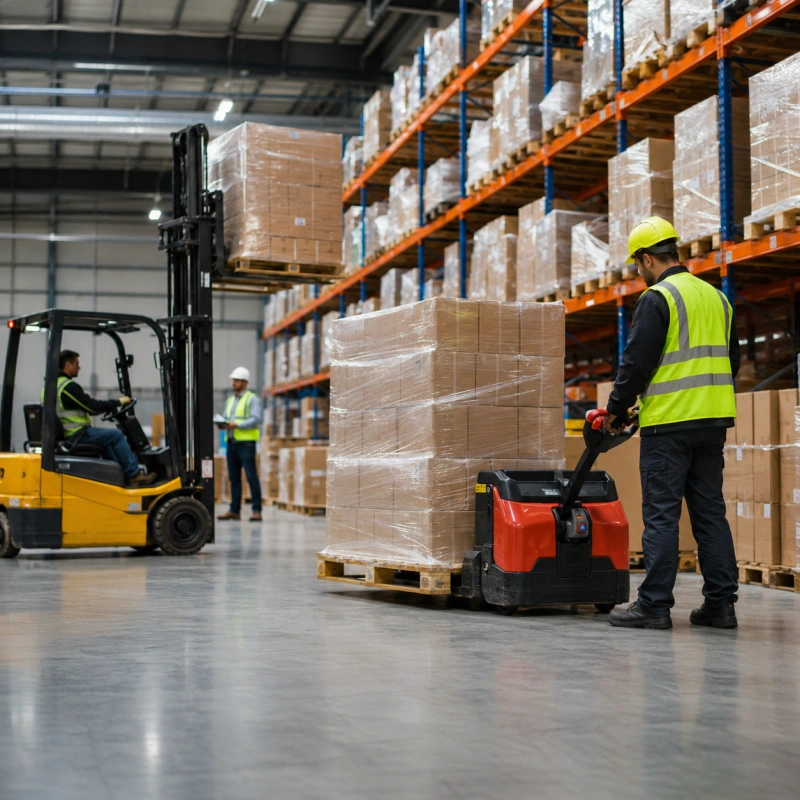
Industrial material handling equipment solutions boost efficiency, safety, and cost savings for factories, warehouses, and job sites with tailored systems.

Learn how to select material handling equipment by assessing load, facility, safety, and budget to boost efficiency and meet your business needs.
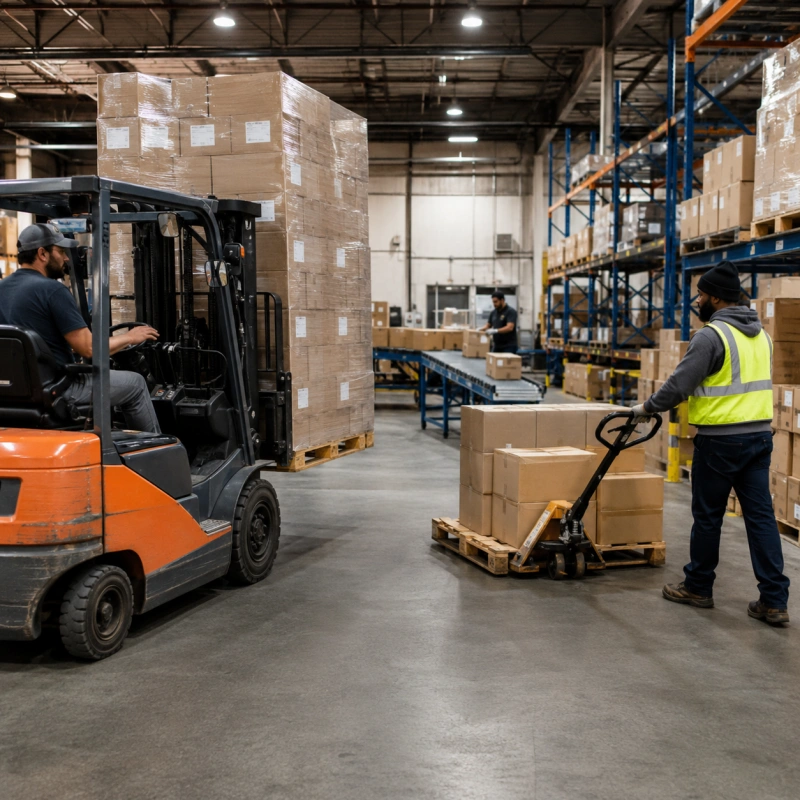
What is material handling equipment? It includes machines and tools that move, store, and control materials, improving safety and efficiency in your facility.